
The 10 Most Scariest Things About Stove Extractor Fan
페이지 정보

본문
The Essential Guide to Stove Extractor Fans: Your Ultimate Kitchen Companion
In today's fast-paced world, kitchen ventilation is often overlooked in favor of looks or home appliance functions. However, a stove extractor fan plays an essential role in maintaining a healthy and pleasant cooking environment. This blog site post explores what stove extractor fans are, the different types available, their benefits, setup considerations, upkeep tips, and responses to typical questions.
What is a Stove Extractor Fan?
A stove extractor fan, likewise understood simply as a range hood or kitchen hood, is a ventilating gadget set up above the stove. Its main function is to remove smoke, steam, grease, and cooking smells from the air, enhancing air quality in your kitchen and home.
Kinds Of Stove Extractor Fans
Stove extractor fans been available in numerous designs and performances. Below is a comparison table summarizing the most typical types:
| Type | Description | Pros | Cons |
|---|---|---|---|
| Wall-Mounted Hoods | Set up versus a wall above the stove | Easy to install; elegant | Requires wall area |
| Under-Cabinet Hoods | Set up below kitchen cabinets | Space-saving; practical | Less effective than other types |
| Island Hoods | Suspended above an island stove | 360-degree ventilation; modern | More pricey; needs ceiling assistance |
| Downdraft Hoods | Integrated into the cooktop and appears when needed | Sleek design; unobtrusive | Limited suction; less reliable |
| Professional Hoods | Durable, commercial-grade hoods with high CFM | Outstanding for heavy cooking | High expense; generally requires particular setup |
Advantages of Installing a Stove Extractor Fan
Improved Air Quality: The main advantage is the removal of smoke, grease, and smells, resulting in fresher air.
Decreased Cooking Odors: No one takes pleasure in lingering smells. An extractor fan efficiently eliminates them, ensuring your home remains enjoyable.
Decreased Grease Build-up: By catching grease particles, extractor fans can assist keep your kitchen cleaner.
Temperature Control: Fans assist in reducing excess heat created while cooking, making the cooking experience more comfy.
Irritant Control: Proper ventilation helps decrease dust and other allergens in the kitchen, enhancing overall health.
Increased Property Value: A well-ventilated kitchen is a selling point for prospective buyers.
Installation Considerations
When installing a stove extractor fan, keep the following aspects in mind:
Size: Choose a hood that extends a minimum of 3 inches beyond each side of your stove for ideal protection.
CFM Rating: The CFM (Cubic Feet per Minute) rating indicates just how much air the fan relocations. Select one that matches your cooking routines-- generally, a series of 300-600 CFM is enough for routine home cooking.
Ducted vs. Ductless: Ducted hoods vent smoke outside, while ductless options filter and recirculate the air. Select based on your kitchen layout and needs.
Sound Level: Extractor fans can be noisy. Examine the sones rating (a measurement of perceived loudness) to guarantee it matches your preference.
Design and Aesthetics: Choose a design that complements your kitchen design. Hoods are available in different finishes like stainless steel, glass, or even custom-made designs.
Upkeep Tips
To ensure your stove extractor fan functions optimally, regular maintenance is essential. Here are some pointers:
Clean Filters Regularly: Metal filters can usually be cleaned in warm, soapy water. Replace charcoal filters in ductless designs according to maker standards.
Examine for Grease Build-up: Inspect the fan and exhaust duct for grease accumulation. Routine cleansing avoids blockages and fire hazards.
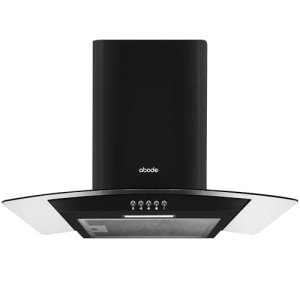
Examine the Motor and Blades: Periodically examine the motor for dust build-up and make sure the blades are clear from obstructions.
Change Light Bulbs: If your extractor fan has built-in lighting, check and change bulbs as required to ensure sufficient visibility.
Look For Professional Help: If you notice any considerable issues like unusual noises or decreased suction, consider hiring a professional to check and repair the fan.
Regularly Asked Questions (FAQ)
1. Do I need a stove extractor fan if I have windows that I can open while cooking?
Windows can offer some ventilation, but a stove extractor fan is more efficient in getting rid of smoke and odors rapidly. It assists keep a comfy temperature and air quality despite outdoors conditions.
2. How do I understand what size extractor fan I require?
Choose a fan that is at least as broad as your cooking surface area, preferably extending a few inches beyond it. For precise sizing, think about the CFM rating based upon your cooking style-- use the standards above for a fast check.
3. Can I use an extractor fan without ductwork?
Yes, ductless extractors filter air and recirculate it back into the kitchen. They are perfect for apartment or condos or kitchens without outside walls. However, they might not be as reliable as ducted types for heavy cooking.
4. How loud are stove extractor fans?
Sound levels differ by model. Inspect the sones ranking when shopping; lower sones indicate quieter operation. The majority of modern fans are created to minimize sound.
5. How frequently should I clean my stove extractor fan?
Clean the metal grease filters monthly and change charcoal filters for ductless designs every 4 to six months, or as suggested by the manufacturer.
A stove extractor fan is a vital addition to any kitchen, supplying various advantages ranging from air quality enhancement to aesthetic appeal. Understanding the types, advantages, setup considerations, and upkeep of these devices can help you make an educated choice for your kitchen. By buying the best design and preserving it well, you can enjoy a cleaner, much healthier cooking environment for many years to come. Whether you are a professional chef or an enthusiastic home cook, having a reputable stove extractor fan can substantially raise your cooking experience.
- 이전글9 Things Your Parents Taught You About UPVC Window Repairs 25.12.24
- 다음글Guide to Math Tuition for Primary 6 Students in Singapore: Helping Your Child Excel 25.12.24
댓글목록
등록된 댓글이 없습니다.