
You'll Be Unable To Guess Fascia And Cladding's Tricks
페이지 정보

본문
Understanding Fascia and Cladding: Essential Components of Building Design
When it concerns constructing construction and style, 2 vital parts typically go overlooked: Fascia And Soffit Specialists and cladding. These architectural elements play vital functions in both the looks and the functionality of a structure. Comprehending their significance can assist in making informed choices throughout the style and remodelling of structures.
In this article, we will explore fascia and cladding, discussing their products, functions, advantages, and common questions associated with them, ultimately providing a thorough introduction for both experts and house owners.
What is Fascia?
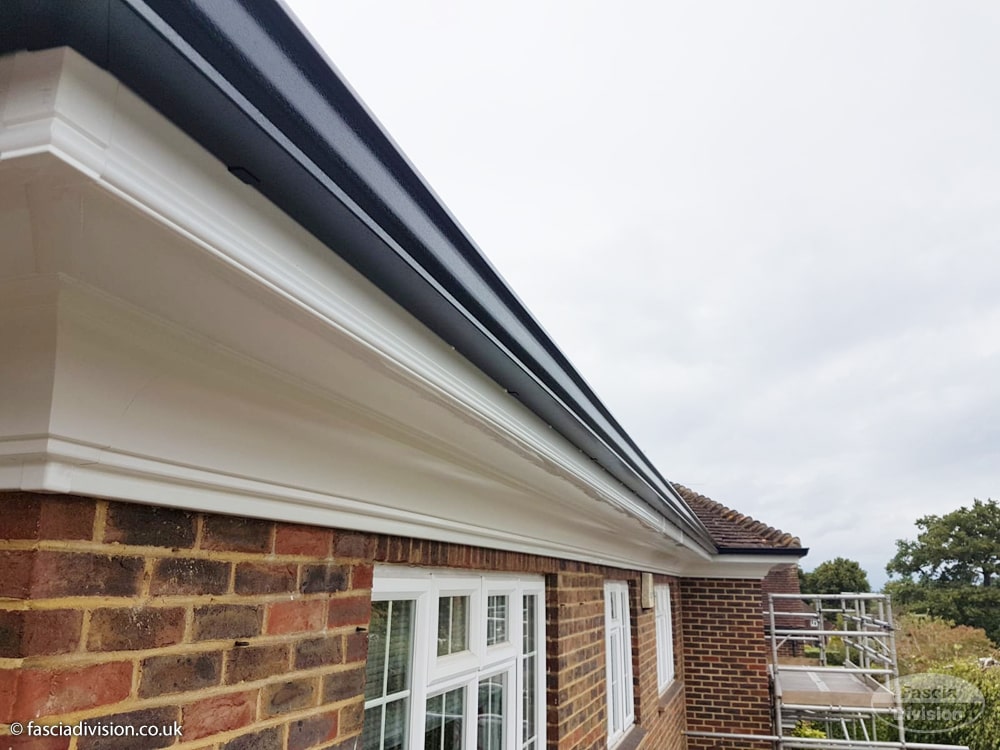
Fascia is a structural element that forms the edge of the roofing, lying horizontally along the eaves. This flat board or panel supplies a completed seek to the Roofline Replacement and plays numerous roles in the overall stability of a structure.
Functions of Fascia
Aesthetic Appeal: Fascia offers a tidy edge to the roofline and can be customized with various designs and colors to improve the overall look of a home.
Assistance for Gutters: The fascia board serves as a support group for rain gutters, assisting in rainwater drainage and protecting the underlying structure from water damage.
Defense Against Pests: A well-installed fascia can assist prevent bugs, such as rodents and pests, from going into the roofing area or attic.
Ventilation: In some designs, fascia systems include ventilation that can assist regulate attic temperature levels, preventing damage from heat and wetness.
Common Materials for Fascia
| Material | Description | Benefits | Disadvantages |
|---|---|---|---|
| Wood | Traditional option; can be painted or stained | Natural appearance; customizable | Prone to rot and bug damage |
| Vinyl | Resilient, low-maintenance choice | Resistant to moisture | Limited style choices |
| Aluminum | Lightweight and resistant to deterioration | Low maintenance | Can damage easily |
| Composite | Made from a mixture of wood fibers and plastic | Long lasting and rot-resistant | Higher expense |
What is Cladding?
Cladding describes the application of one material over another to offer a skin or layer that safeguards and embellishes the structure. It acts as an external layer of defense versus the components and adds insulation, aesthetics, and toughness to a building.
Functions of Cladding
Weather condition Resistance: Cladding protects buildings from rain, wind, and UV radiation, enhancing their durability and structural stability.
Insulation: Cladding can help in thermal insulation, reducing energy costs by keeping homes warmer in winter and cooler in summertime.
Noise Reduction: Depending on the materials utilized, cladding can likewise supply acoustic insulation, decreasing noise from external sources.
Aesthetic Value: With a variety of products, colors, and styles available, cladding can considerably enhance the visual appeal of a building.
Typical Materials for Cladding
| Material | Description | Benefits | Drawbacks |
|---|---|---|---|
| Wood | Uses a classic appearance; can be stained or painted | Aesthetically appealing | Requires maintenance |
| Vinyl | Durable, versatile, and low maintenance | Resistant to fading | Can split in severe temperature levels |
| Brick | Conventional masonry material | Long-lasting and fire-resistant | Much heavier and more pricey |
| Metal | Consists of aluminum and steel; modern-day look | Extremely resilient and low maintenance | Can be prone to rust if uncoated |
| Composite | Made from recycled wood or plastic products | Eco-friendly and low maintenance | Higher initial expense |
The Importance of Fascia and Cladding
Both fascia and cladding are important to developing design, supplying essential defense, toughness, and charm. Property owners frequently overlook these functions, however they need to be considered during the planning and repair stages.
Advantages of Proper Installation
Boosted Aesthetic Appeal: A well-designed Fascia And Cladding - link web site, system can considerably enhance a building's appearance.
Increased Property Value: Quality materials and professional installation can enhance the marketplace value of a property.
Energy Efficiency: By supplying insulation and defense versus the components, fascia and cladding add to reduce energy expenses.
Reduced Maintenance: High-quality products can lessen the time invested in maintenance and repairs.
FAQs About Fascia and Cladding
1. How often should fascia and cladding be changed?
The life expectancy of fascia and cladding depends mainly on the products utilized and environmental elements. Typically, wood Fascias And Soffits may need replacement every 10-20 years, while vinyl and metal can last 30+ years. Regular inspections can help identify wear and tear early on.
2. Can I set up fascia and cladding myself?
While it is possible to carry out these installations as a DIY task, it is frequently advised to hire professionals. Correct installation is crucial for securing the structure from moisture damage and guaranteeing general effectiveness.
3. What maintenance do fascia and cladding need?
Fascia and cladding require varying levels of maintenance based on the materials utilized. Wood may need routine painting or sealing, while vinyl and metal might just need occasional cleaning to preserve appearance.
4. How do I know if I need to change my fascia or cladding?
Indications of wear include noticeable rot in wood, rusting metal, fading colors, or spaces that enable water penetration. Professional assessments can provide an in-depth evaluation.
5. What is the most energy-efficient cladding product?
Products such as insulated vinyl or composite cladding can offer outstanding energy effectiveness due to their insulating homes. The option might also depend upon environment and structural requirements.
Fascia and cladding might appear small in the grand scheme of structure design, however they hold immense importance. From enhancing visual interest supplying critical weather condition resistance, these aspects shape how structures sustain the test of time. By comprehending their roles, property owners and designers can make informed options to magnify the durability, charm, and efficiency of their buildings.
- 이전글You'll Never Guess This mitolyn supplements's Secrets 25.12.24
- 다음글Motivating Your JC1 Kid to Love Math: A Guide To Math Tuition for Singapore Parents 25.12.24
댓글목록
등록된 댓글이 없습니다.